
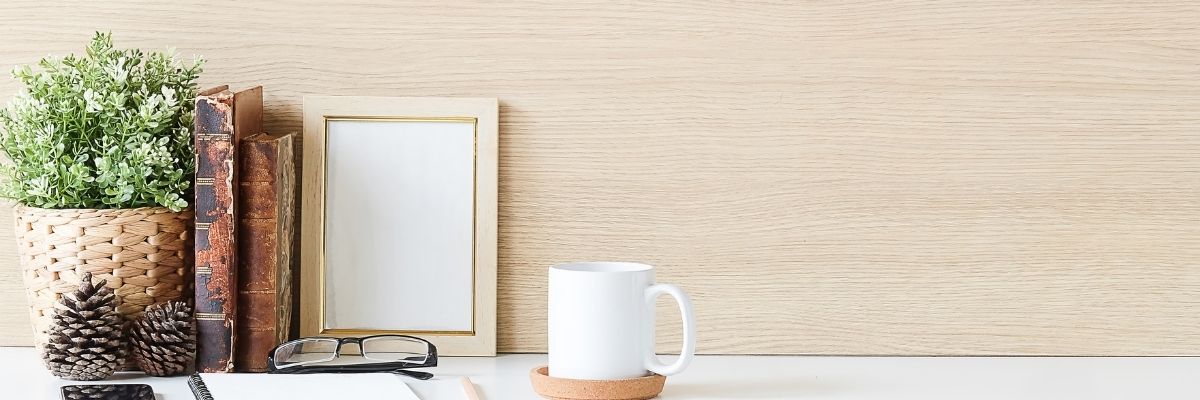
Life throws a lot at us, doesn’t it? From demanding jobs to navigating relationships and the constant buzz of the digital world, finding moments of peace can feel like searching for a needle in a haystack. But what if your home, the very place you return to each day, could be that haven, that sanctuary where you can recharge, reconnect with yourself, and simply… breathe? Creating a safe space isn’t about escaping reality; it’s about building a foundation of well-being within your own four walls.
This article is all about empowering you to transform your house into a home – a place where you feel secure, comfortable, and free to be yourself. We’ll explore practical strategies, mindful practices, and design tips that will help you curate an environment that supports your mental, emotional, and physical health. Let’s get started on this journey of creating your personal safe haven!
Why is a “Safe Space” at Home Even Important? Seriously, Tell Me!
Okay, let’s be real. We all need a place where we can let our guard down. Think about it: work can be stressful, social media is often a highlight reel of other people’s lives, and even family dynamics can sometimes be… challenging. Your home should be the antithesis of all that.
A safe space provides:
- Stress Reduction: A calming environment helps lower cortisol levels, the hormone associated with stress.
- Emotional Regulation: Feeling safe allows you to process emotions healthily and avoid bottling them up.
- Improved Sleep: A peaceful bedroom promotes better sleep quality, which is crucial for overall well-being.
- Enhanced Creativity: When you feel secure, your mind is free to explore new ideas and express itself creatively.
- Stronger Relationships: A safe home fosters open communication and deeper connections with loved ones.
Basically, a safe space is an investment in your mental and physical health. It’s about prioritizing your well-being and creating an environment that supports your growth and happiness.
Okay, I’m Sold! But Where Do I Even Begin? Let’s Talk Practical Steps!
Transforming your home into a safe space doesn’t require a complete renovation. It’s about making conscious choices that align with your needs and preferences. Here’s a breakdown of practical steps you can take:
1. Declutter Like a Pro: Out with the Old, In with the Calm
Clutter can be a major source of stress. It’s visually overwhelming and can make you feel like you’re constantly surrounded by unfinished tasks.
- Start Small: Don’t try to declutter your entire house in one weekend. Focus on one room or even one drawer at a time.
- The Four-Box Method: Grab four boxes labeled “Keep,” “Donate,” “Sell,” and “Trash.” Sort your belongings into these categories.
- The One-Year Rule: If you haven’t used something in a year, seriously consider letting it go.
- Create Designated Spaces: Assign a specific place for everything, so you know exactly where to find it and where to put it away.
- Embrace Minimalism (Sort Of): You don’t have to become a hardcore minimalist, but consciously choosing to own fewer things can significantly reduce stress.
2. Sensory Overload? Let’s Get Cozy and Comfortable!
Your senses play a huge role in how you feel in your environment. Think about how you can engage your senses in a way that promotes relaxation and comfort.
- Soft Textures: Incorporate plush blankets, soft rugs, and comfortable cushions. Think about materials like velvet, cotton, and linen.
- Soothing Scents: Use essential oil diffusers, scented candles (with natural waxes!), or potpourri to create a calming atmosphere. Lavender, chamomile, and sandalwood are great options.
- Warm Lighting: Avoid harsh fluorescent lights. Opt for lamps with warm-toned bulbs or use dimmer switches to adjust the brightness.
- Nature Sounds: Play nature sounds like rain, ocean waves, or birdsong to mask distracting noises and create a sense of tranquility. There are tons of apps and playlists dedicated to this.
- Mindful Eating Space: If possible, make your dining area a place where you can enjoy your meals without distractions (no phones!).
3. Boundaries, Boundaries, Boundaries! Defining Your Space
Sometimes, creating a safe space is about physically separating yourself from potential stressors.
- Designated “No-Work” Zones: Choose a room or area where you strictly prohibit work-related activities. This could be your bedroom, living room, or even a cozy corner.
- Tech-Free Zones: Establish areas where you can disconnect from technology. This could be your bedroom before bed, your dining table during meals, or a reading nook.
- Personal Retreat: Create a space that is exclusively yours. This could be a home office, a craft room, or even just a comfortable chair in a quiet corner.
- Communicate Your Needs: Let your family or roommates know that you need some time and space to yourself. It’s okay to set boundaries and prioritize your well-being.
4. Green Therapy: Bringing the Outdoors In
Plants have a remarkable ability to purify the air, reduce stress, and boost your mood.
- Choose Low-Maintenance Plants: If you’re not a natural gardener, opt for plants that are easy to care for, such as snake plants, ZZ plants, or pothos.
- Consider Air-Purifying Plants: Plants like spider plants, peace lilies, and English ivy are known for their ability to remove toxins from the air.
- Create a Mini Indoor Garden: Group several plants together to create a lush, green oasis.
- Incorporate Natural Elements: Bring in other natural elements like stones, shells, or driftwood to create a connection with nature.
- Don’t Forget Sunlight: Ensure your plants are getting enough sunlight to thrive.
5. Colors That Soothe the Soul: The Psychology of Paint
Color can have a profound impact on your mood and emotions.
- Cool Colors: Blues, greens, and purples are generally considered calming and relaxing.
- Warm Neutrals: Soft grays, beiges, and creams can create a sense of warmth and comfort.
- Avoid Bright, Intense Colors: While vibrant colors can be energizing, they can also be overwhelming and stimulating.
- Consider Your Personal Preferences: Ultimately, the best colors for your safe space are those that you find personally soothing and appealing.
- Test Paint Samples: Before committing to a color, test it on a small area of the wall to see how it looks in different lighting conditions.
6. Personal Touches: Making It Truly Yours
Your safe space should reflect your personality and interests.
- Display Meaningful Objects: Showcase items that have sentimental value, such as family photos, travel souvenirs, or artwork created by loved ones.
- Create a Vision Board: Visualize your goals and dreams by creating a vision board with images, words, and affirmations.
- Incorporate Your Hobbies: Dedicate a space to your favorite hobbies, whether it’s reading, painting, crafting, or playing music.
- Choose Artwork That Inspires You: Select artwork that evokes positive emotions and resonates with your personal style.
- Don’t Be Afraid to Experiment: Your safe space is a work in progress. Don’t be afraid to experiment with different elements until you find what works best for you.
7. Soundproofing Strategies: Banish the Noise Pollution!
External noise can be a major disruptor of peace and tranquility.
- Seal Gaps and Cracks: Use weather stripping or caulk to seal gaps around windows and doors.
- Heavy Curtains or Blinds: Thick curtains or blinds can help absorb sound and block out light.
- Acoustic Panels: Install acoustic panels on walls or ceilings to absorb sound waves.
- White Noise Machine: A white noise machine can mask distracting noises and create a more consistent sound environment.
- Consider Double-Paned Windows: If noise is a major issue, consider replacing your windows with double-paned windows.
8. Digital Detox: Unplug and Recharge
Technology can be a wonderful tool, but it can also be a major source of stress and distraction.
- Establish Tech-Free Hours: Set aside specific times each day when you completely disconnect from technology.
- Turn Off Notifications: Disable notifications on your phone and computer to avoid constant interruptions.
- Charge Your Devices Outside the Bedroom: Avoid the temptation to check your phone before bed or first thing in the morning.
- Use Apps to Limit Screen Time: There are apps that can help you track and limit your screen time.
- Engage in Offline Activities: Spend time doing things you enjoy that don’t involve technology, such as reading, spending time in nature, or connecting with loved ones.
9. Mindful Practices: Cultivating Inner Peace
Creating a safe space is not just about the physical environment; it’s also about cultivating inner peace.
- Meditation: Practice meditation regularly to calm your mind and reduce stress.
- Deep Breathing Exercises: Take a few deep breaths whenever you feel overwhelmed or anxious.
- Gratitude Journaling: Write down things you’re grateful for each day to cultivate a positive mindset.
- Yoga or Tai Chi: Engage in gentle movement practices to release tension and improve your overall well-being.
- Mindful Walking: Pay attention to your surroundings and your body as you walk, rather than getting lost in your thoughts.
Frequently Asked Questions (Because We Know You Have Them!)
- How much does it cost to create a safe space?
It depends on your budget! You can start with small changes like decluttering and rearranging furniture, which are free. Larger projects like painting or buying new furniture will cost more. - I live in a small apartment. Can I still create a safe space?
Absolutely! Focus on creating designated zones within your apartment. Even a small corner can become a cozy retreat. - I have kids. How can I create a safe space when my house is always chaotic?
Involve your kids in the process! Teach them about the importance of quiet time and create designated “quiet zones” where everyone can relax. - How long does it take to create a safe space?
There’s no set timeline. It’s an ongoing process of experimentation and refinement. Be patient and enjoy the journey! - What if my partner doesn’t support my efforts to create a safe space?
Communicate your needs clearly and explain why it’s important to you. Find compromises that work for both of you.
Wrapping Up: Your Safe Space Awaits!
Creating a safe space in your home is an act of self-care, a commitment to your well-being. By implementing these practical strategies and mindful practices, you can transform your house into a sanctuary where you can truly unwind, recharge, and be yourself. Remember, it’s a journey, not a destination, so start small, be patient, and enjoy the process of creating a haven that nurtures your mind, body, and soul.