
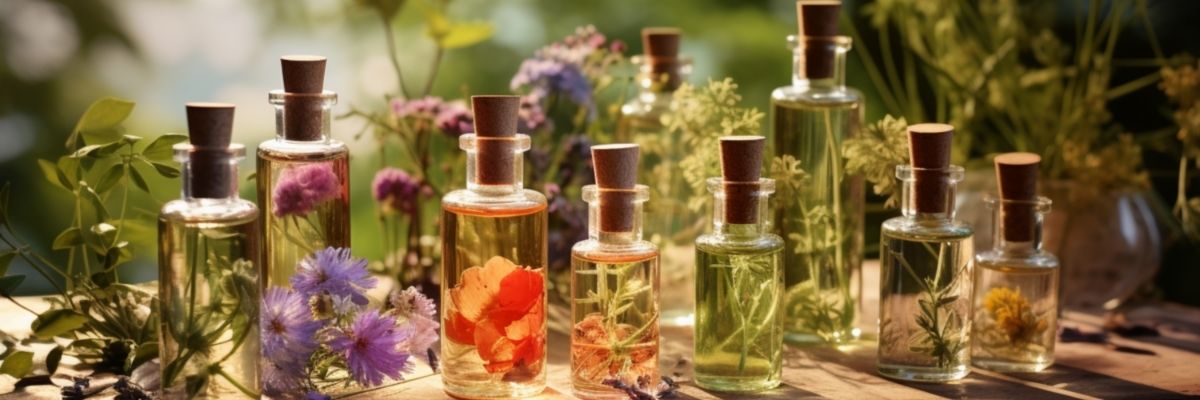
Feeling overwhelmed, stressed, or just generally out of sorts? We all do sometimes. Life throws curveballs, and navigating the emotional rollercoaster can be exhausting. But what if I told you there’s a natural, accessible way to gently nudge your emotions back into balance? That’s where aromatherapy comes in – using the power of essential oils to soothe your mind, uplift your spirits, and help you find your inner equilibrium.
What’s the Big Deal About Aromatherapy Anyway?
Aromatherapy is more than just a fancy way to make your home smell nice (though it certainly can do that!). It’s the practice of using essential oils – concentrated extracts from plants – to promote physical and emotional well-being. These oils contain powerful compounds that can affect our brains and bodies in a variety of ways. When inhaled or applied topically (diluted, of course!), they interact with our olfactory system (sense of smell) and limbic system (the part of the brain that governs emotions, memories, and behavior).
Think of it like this: your sense of smell is a direct line to your emotional control center. That’s why a certain scent can instantly transport you back to a childhood memory or trigger a specific feeling. Aromatherapy harnesses this connection to help you manage stress, boost your mood, improve sleep, and even ease anxiety.
How Does it Actually Work? Let’s Break it Down
The science behind aromatherapy is still evolving, but here’s the gist:
-
Inhalation: When you inhale essential oil molecules, they travel to the olfactory bulb in your nose. This bulb then sends signals directly to the limbic system, triggering a cascade of effects. Depending on the oil, these effects can range from calming and relaxing to energizing and uplifting.
-
Topical Application: When applied to the skin (always diluted with a carrier oil like jojoba or almond oil!), essential oils are absorbed into the bloodstream. From there, they can exert their therapeutic effects throughout the body.
It’s important to remember that essential oils are potent substances. Always dilute them properly before applying them to your skin, and never ingest them unless under the guidance of a qualified aromatherapist.
Choosing Your Emotional Allies: The Best Essential Oils for the Job
Okay, so you’re intrigued. But with so many essential oils out there, where do you even begin? Don’t worry, I’ve got you covered. Here are some of the most popular and effective essential oils for emotional balance, along with their key benefits:
-
Lavender: The queen of relaxation! Lavender is known for its calming and sleep-promoting properties. It can help reduce anxiety, ease tension headaches, and create a sense of peace.
-
Chamomile: Another gentle giant, chamomile is incredibly soothing and can help calm frayed nerves. It’s particularly effective for children and those who struggle with anxiety and insomnia. There are two main types: Roman and German. Roman Chamomile is often preferred for its sweeter aroma and gentler properties.
-
Frankincense: This earthy, grounding oil is fantastic for promoting feelings of stability and emotional strength. It’s often used in meditation and can help reduce stress and anxiety.
-
Bergamot: A citrusy burst of sunshine! Bergamot is known for its uplifting and mood-boosting properties. It can help combat feelings of sadness and depression. Important note: Bergamot is phototoxic, meaning it can make your skin more sensitive to sunlight. Avoid applying it topically before sun exposure.
-
Ylang Ylang: Exotic and floral, Ylang Ylang is a powerful aphrodisiac and can help promote feelings of joy and sensuality. It’s also known for its calming and stress-reducing properties. Use sparingly, as its scent can be overpowering for some.
-
Rose: The ultimate oil of love and compassion! Rose is incredibly comforting and can help heal emotional wounds. It’s also known for its uplifting and mood-boosting properties. Rose Otto and Rose Absolute are the two main types, with Rose Otto being the more expensive and highly prized.
-
Clary Sage: This earthy, herbaceous oil is known for its hormone-balancing properties, making it a great choice for women experiencing PMS or menopause. It can also help reduce stress and anxiety. Important note: Avoid during pregnancy.
-
Cedarwood: A grounding and stabilizing oil, cedarwood is perfect for promoting feelings of security and confidence. It can also help improve focus and concentration.
-
Sandalwood: Another grounding and meditative oil, sandalwood is known for its calming and anxiety-reducing properties. It can also help promote feelings of peace and tranquility.
Getting Started: Simple Ways to Incorporate Aromatherapy into Your Life
Okay, you’ve picked out your oils. Now what? Here are a few easy ways to start incorporating aromatherapy into your daily routine:
-
Diffusing: An essential oil diffuser is a great way to fill your home with therapeutic aromas. Simply add a few drops of your chosen oil to the diffuser and let it work its magic.
-
Inhalation: For a quick pick-me-up, place a drop or two of essential oil on a tissue or cotton ball and inhale deeply. You can also buy personal inhalers specifically designed for aromatherapy.
-
Topical Application: Always dilute essential oils with a carrier oil before applying them to your skin. A good rule of thumb is to use a 1-3% dilution (1-3 drops of essential oil per teaspoon of carrier oil). Massage the diluted oil into your temples, wrists, or neck.
-
Bath Time Bliss: Add a few drops of essential oil to a warm bath for a relaxing and therapeutic soak. Be sure to dilute the oil with a carrier oil or Epsom salts first to prevent skin irritation.
-
DIY Room Sprays: Create your own custom room sprays by mixing essential oils with distilled water in a spray bottle. Shake well before each use.
Safety First! A Few Important Things to Keep in Mind
Aromatherapy is generally safe when used properly, but it’s important to be aware of potential risks:
-
Dilution is Key: Always dilute essential oils before applying them to your skin. Undiluted essential oils can cause irritation, sensitization, or even burns.
-
Patch Test: Before using a new essential oil, perform a patch test on a small area of skin to check for any allergic reactions.
-
Pregnancy and Breastfeeding: Some essential oils are not safe to use during pregnancy or breastfeeding. Consult with a qualified aromatherapist or healthcare provider before using essential oils if you are pregnant or breastfeeding.
-
Children and Pets: Essential oils should be used with caution around children and pets. Some oils are toxic to animals, and children may be more sensitive to their effects.
-
Quality Matters: Choose high-quality, pure essential oils from reputable sources. Avoid synthetic fragrances, which do not offer the same therapeutic benefits.
-
Photosensitivity: Be aware of essential oils that can cause photosensitivity (increased sensitivity to sunlight). Avoid applying these oils topically before sun exposure.
Creating Your Own Emotional Rescue Blend: A Few Ideas to Get You Started
Feeling creative? Here are a few blend ideas to help you get started:
- Stress Relief: Lavender, Frankincense, and Sweet Orange
- Mood Booster: Bergamot, Ylang Ylang, and Grapefruit
- Sleep Aid: Lavender, Chamomile, and Cedarwood
- Anxiety Relief: Frankincense, Clary Sage, and Lavender
- Focus and Concentration: Rosemary, Lemon, and Peppermint
Experiment with different combinations to find what works best for you. Remember to start with small amounts and adjust as needed.
Frequently Asked Questions (FAQ)
-
What are essential oils?
Essential oils are concentrated extracts from plants, containing aromatic compounds with therapeutic properties. They are obtained through processes like steam distillation or cold pressing. -
Can I ingest essential oils?
No, it is generally not recommended to ingest essential oils unless under the guidance of a qualified aromatherapist. Many essential oils can be toxic if ingested. -
How do I store essential oils?
Store essential oils in dark glass bottles in a cool, dark place away from direct sunlight and heat. This helps to preserve their potency and prevent degradation. -
Are essential oils safe for everyone?
Essential oils are generally safe when used properly, but some people may be more sensitive than others. It’s important to dilute them properly and perform a patch test before using them topically. -
Can aromatherapy replace medical treatment?
Aromatherapy is a complementary therapy and should not be used as a substitute for medical treatment. Always consult with a healthcare professional for any health concerns.
Your Journey to Emotional Wellness Starts Now
Aromatherapy is a powerful tool for promoting emotional balance and well-being. By understanding the properties of different essential oils and incorporating them into your daily routine, you can create a more peaceful, joyful, and balanced life. So, take a deep breath, explore the world of aromatherapy, and discover the transformative power of scent.