
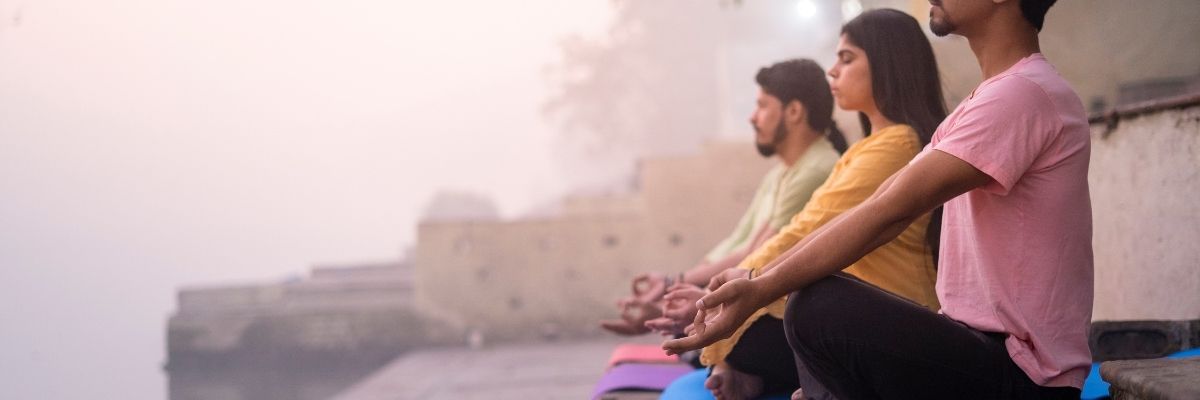
Anxiety can feel like a runaway train, leaving you breathless and overwhelmed. But what if I told you the brakes are already in your hands, residing in something you do every single second: breathing? It’s true! Simple breathwork techniques can be a powerful tool to quiet the racing thoughts and ease the physical sensations of anxiety, offering a moment of peace in the midst of the storm.
Why is My Breath Key to Calming Anxiety? Let’s Get Science-y (But Not Too Much!)
Okay, so how exactly does breathing connect to anxiety? Think of it this way: when you’re stressed or anxious, your body kicks into "fight or flight" mode. This triggers your sympathetic nervous system, leading to rapid breathing, increased heart rate, and muscle tension. It’s a survival mechanism, but when it’s constantly activated by everyday stressors, it can leave you feeling frazzled.
Breathwork helps counteract this by activating your parasympathetic nervous system, often referred to as the "rest and digest" system. Deep, controlled breathing signals to your brain that you’re safe, slowing your heart rate, relaxing your muscles, and calming your mind. It’s like hitting the reset button on your nervous system. Plus, focusing on your breath pulls your attention away from anxious thoughts, giving you a mental break.
Ready to Dive In? Easy Breathwork Techniques You Can Try Anywhere, Anytime
The beauty of breathwork is its accessibility. You don’t need any special equipment or training to start experiencing the benefits. Here are a few simple techniques to get you started:
-
Diaphragmatic Breathing (Belly Breathing): Your Anxiety First-Aid Kit
This is the foundation of many relaxation techniques and a fantastic starting point.
- How to do it: Lie down or sit comfortably. Place one hand on your chest and the other on your belly, just below your ribs. Inhale slowly through your nose, allowing your belly to rise while keeping your chest relatively still. Exhale slowly through your mouth, feeling your belly fall.
- Why it works: This type of breathing encourages full lung expansion, stimulating the vagus nerve, which plays a key role in regulating the parasympathetic nervous system.
- Pro Tip: Imagine you’re filling a balloon in your belly with air as you inhale.
-
Box Breathing (Square Breathing): A Simple Way to Find Focus
Box breathing is perfect for moments when you need to regain focus and clarity amidst anxiety. It’s also great for improving concentration.
- How to do it: Inhale deeply through your nose for a count of four. Hold your breath for a count of four. Exhale slowly through your mouth for a count of four. Hold your breath again for a count of four. Repeat this cycle.
- Why it works: The equal intervals of inhaling, holding, and exhaling create a sense of balance and rhythm, helping to regulate your nervous system and calm your mind.
- Pro Tip: Visualize a square as you breathe, tracing each side with your breath.
-
4-7-8 Breathing: The Sleep Savior (But Also Great for Daytime Calm!)
This technique is incredibly effective for promoting relaxation and can even help you fall asleep faster.
- How to do it: Exhale completely through your mouth, making a whooshing sound. Close your mouth and inhale quietly through your nose for a count of four. Hold your breath for a count of seven. Exhale completely through your mouth, making a whooshing sound, for a count of eight. Repeat this cycle at least four times.
- Why it works: The longer exhale helps to release tension and slow your heart rate, promoting a sense of deep relaxation.
- Pro Tip: Place the tip of your tongue against the ridge of tissue just behind your upper front teeth during the entire exercise.
-
Alternate Nostril Breathing (Nadi Shodhana): A Balancing Act for Your Mind
This technique, originating from yoga, is known for balancing the left and right hemispheres of the brain, promoting calmness and clarity.
- How to do it: Sit comfortably. Close your right nostril with your right thumb. Inhale deeply through your left nostril. Close your left nostril with your right ring finger and release your thumb from your right nostril. Exhale through your right nostril. Inhale through your right nostril. Close your right nostril with your right thumb and release your ring finger from your left nostril. Exhale through your left nostril. This completes one cycle. Continue for several minutes.
- Why it works: It’s believed to balance energy flow and calm the nervous system, promoting a sense of inner peace.
- Pro Tip: Keep your breath smooth and even throughout the practice. Don’t force it.
-
Lion’s Breath (Simhasana): Release Tension with a Roar (Kind Of!)
This one might sound a little silly, but it’s a fantastic way to release tension in your face and jaw, which often clench up when you’re anxious.
- How to do it: Kneel comfortably with your hands on your knees or thighs. Inhale deeply through your nose. Open your mouth wide, stick out your tongue, and exhale forcefully with a "haaaa" sound, like a lion roaring. Focus your gaze on the tip of your nose or between your eyebrows.
- Why it works: The forceful exhale and facial expressions release pent-up tension, promoting relaxation and a sense of lightness.
- Pro Tip: Don’t be afraid to make noise! The sound is part of the release.
Making Breathwork a Habit: Tips for Success
Okay, you’ve learned some techniques, but how do you make breathwork a regular part of your life? Here are a few tips:
- Start Small: Don’t try to overhaul your entire routine overnight. Begin with just 5-10 minutes of breathwork a day.
- Find Your Trigger: Identify situations that consistently trigger your anxiety (e.g., before a presentation, during rush hour traffic). Use these moments as cues to practice breathwork.
- Set a Reminder: Use your phone or calendar to remind yourself to practice breathwork.
- Create a Comfortable Space: Find a quiet, comfortable space where you can relax and focus on your breath.
- Be Patient: It takes time to develop a habit. Don’t get discouraged if you don’t see results immediately. Keep practicing, and you’ll start to notice the benefits.
- Combine with Other Practices: Breathwork can be enhanced by combining it with other relaxation techniques, such as meditation, yoga, or progressive muscle relaxation.
- Listen to Your Body: If you feel dizzy or uncomfortable during any of these techniques, stop and adjust your breathing.
Breathe Easier Every Day: Integrate Breathwork into Your Routine
Think of breathwork as a tool in your mental health toolkit, ready to be used whenever you need it. Here are some ideas on how to weave it into your daily life:
- Morning Ritual: Start your day with a few minutes of diaphragmatic breathing to set a calm and focused tone.
- Commute Companion: Practice box breathing during your commute to ease traffic-related stress.
- Workday Reset: Take a break every few hours to practice 4-7-8 breathing for a quick recharge.
- Before Bed: Use 4-7-8 breathing to calm your mind and prepare for a restful night’s sleep.
- During Anxious Moments: When you feel anxiety creeping in, take a few deep breaths and focus on your breath to regain control.
Common Mistakes to Avoid When Practicing Breathwork
Even though breathwork is simple, here are some common pitfalls to watch out for:
- Forcing Your Breath: Relax! Breathwork should feel natural and comfortable. Don’t strain or force your breath.
- Breathing Too Quickly: Slow, deep breaths are key. Avoid rapid, shallow breathing.
- Focusing Too Much on the "Right" Way: There’s no single "right" way to breathe. Experiment and find what works best for you.
- Getting Discouraged Easily: It takes practice to develop a breathwork habit. Don’t give up if you don’t see results immediately.
- Ignoring Discomfort: If you feel dizzy or uncomfortable, stop and adjust your breathing.
- Holding Tension in Your Body: Pay attention to your body and consciously relax any tense muscles.
Frequently Asked Questions (FAQ) About Breathwork for Anxiety
- How often should I practice breathwork? Aim for at least once a day, but you can practice it as often as you need to manage anxiety.
- How long should each breathwork session be? Even 5-10 minutes can be beneficial. Longer sessions can provide deeper relaxation.
- Is breathwork a substitute for therapy or medication? No, breathwork is a complementary tool. Consult with a healthcare professional for appropriate treatment.
- Can breathwork make anxiety worse? In rare cases, hyperventilation can occur. Focus on slow, controlled breathing to avoid this.
- When will I start to see results from breathwork? Some people experience immediate relief, while others may need a few weeks of consistent practice.
- What if I can’t focus on my breath? That’s normal! Gently redirect your attention back to your breath whenever your mind wanders.
- Can I do breathwork anywhere? Yes! Breathwork can be practiced virtually anywhere, making it a convenient tool for managing anxiety on the go.
Take a Deep Breath and Start Your Journey to Calm
Breathwork is a simple yet powerful tool that can help you manage anxiety and cultivate a greater sense of calm and well-being. Start with one technique, practice it regularly, and discover the transformative power of your breath.