
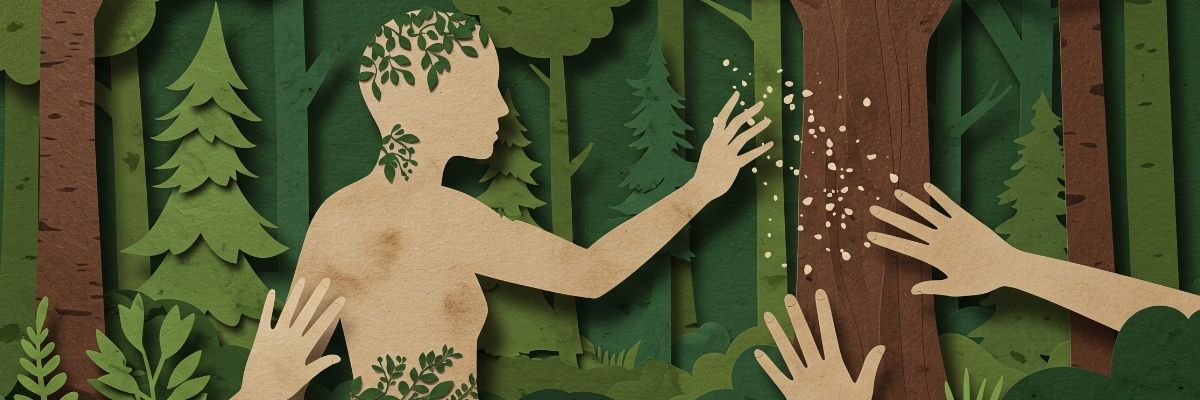
In our increasingly digital world, it’s easy to lose touch with the natural world. We spend countless hours staring at screens, often forgetting the restorative power that exists just outside our doors. Reconnecting with nature isn’t just about enjoying a scenic view; it’s about fostering a deeper, more mindful relationship with the environment that sustains us, leading to profound benefits for our mental and physical well-being.
Why Bother? Unearthing the Magic of Nature Connection
We’ve all heard that spending time in nature is “good for you,” but let’s dig a little deeper. What exactly makes it so beneficial, and why should we prioritize it in our busy lives? The truth is, the benefits are multifaceted and reach far beyond a simple mood boost.
- Stress Reduction: Studies consistently show that spending time in green spaces lowers cortisol levels, the hormone associated with stress. Even a short walk in a park can significantly reduce feelings of anxiety and overwhelm.
- Improved Mental Clarity: Nature provides a respite from the constant stimulation of modern life. This allows our minds to rest and recharge, leading to improved focus, creativity, and problem-solving abilities.
- Enhanced Physical Health: Exposure to sunlight helps our bodies produce vitamin D, crucial for bone health and immune function. Furthermore, physical activity in nature, like hiking or gardening, promotes cardiovascular health and strengthens muscles.
- Increased Empathy and Connection: When we connect with nature, we develop a greater appreciation for the interconnectedness of all living things. This fosters empathy, compassion, and a sense of responsibility towards the environment.
- Boosted Creativity: The unstructured and unpredictable nature of the outdoors can spark new ideas and perspectives. Many artists, writers, and innovators have drawn inspiration from their experiences in nature.
- Improved Sleep: Spending time outdoors during the day helps regulate our circadian rhythm, leading to better sleep quality at night.
Okay, I’m Sold! But How Do I Really Connect?
Simply being present in nature isn’t always enough to reap the full benefits. It’s about cultivating a mindful connection, engaging all your senses, and truly immersing yourself in the experience. Here are some practical tips:
- Leave the Tech Behind (Or At Least Mostly): Resist the urge to constantly check your phone. Put it on silent, or better yet, leave it at home altogether. This allows you to fully focus on your surroundings.
- Engage Your Senses: Pay attention to the sights, sounds, smells, tastes, and textures of nature. Notice the way the sunlight filters through the leaves, the sound of birdsong, the scent of pine needles, the taste of fresh air, and the feel of the earth beneath your feet.
- Practice Mindful Walking: Instead of rushing through your walk, slow down and pay attention to each step. Feel the ground beneath your feet, notice the movement of your body, and observe the world around you without judgment.
- Try Forest Bathing (Shinrin-Yoku): This Japanese practice involves immersing yourself in the forest atmosphere. It’s not about hiking or exercising; it’s about simply being present in the forest and absorbing its healing energy.
- Get Your Hands Dirty: Gardening, planting trees, or even just digging in the dirt can be incredibly grounding and therapeutic. It connects you to the earth and allows you to witness the miracle of life.
- Observe Wildlife: Take the time to observe the animals, insects, and plants that share your environment. Notice their behavior, their interactions, and their role in the ecosystem.
- Practice Gratitude: Take a moment to appreciate the beauty and abundance of nature. Express gratitude for the clean air, the fresh water, and the life-sustaining resources that it provides.
- Journal Your Experiences: Writing about your experiences in nature can help you process your thoughts and feelings, and deepen your connection to the environment.
Finding Your Nature Niche: It Doesn’t Have to Be a Grand Adventure!
Connecting with nature doesn’t require scaling mountains or embarking on week-long backpacking trips. You can find meaningful connections in your own backyard, local park, or even a small patch of green space in the city. The key is to be intentional and mindful in your approach.
- Urban Oasis: Even in the most urban environments, you can find pockets of nature. Visit a local park, community garden, or botanical garden. Look for green spaces along rivers or creeks.
- Backyard Bliss: Transform your backyard into a haven for wildlife. Plant native trees and flowers, create a bird feeder, and build a small pond.
- Window Wonders: If you don’t have access to outdoor space, bring nature indoors. Fill your home with plants, create a terrarium, or simply open your window and listen to the sounds of nature.
- Mindful Moments: Even a few minutes of mindful observation can make a difference. Take a break from work to watch the clouds, listen to the rain, or simply breathe in the fresh air.
- Seasonal Sensations: Pay attention to the changing seasons and how they affect the natural world. Notice the first signs of spring, the warmth of summer, the colors of autumn, and the stillness of winter.
Gear Up (Or Don’t!): What You Really Need for a Mindful Nature Experience
While having the right gear can enhance your comfort and safety, it’s not essential for connecting with nature. The most important thing is to be prepared and respectful of the environment.
- Comfortable Clothing: Wear clothing that is appropriate for the weather and allows you to move freely. Layers are always a good idea, as the temperature can change quickly.
- Sturdy Footwear: Choose footwear that is comfortable and provides good traction, especially if you plan on hiking or walking on uneven terrain.
- Water and Snacks: Bring plenty of water to stay hydrated, especially on hot days. Pack healthy snacks to keep your energy levels up.
- Sun Protection: Wear sunscreen, a hat, and sunglasses to protect yourself from the sun’s harmful rays.
- Insect Repellent: Use insect repellent to protect yourself from mosquitoes, ticks, and other biting insects.
- First-Aid Kit: Carry a small first-aid kit with essential supplies like bandages, antiseptic wipes, and pain relievers.
- Optional Extras: A journal, camera, binoculars, or field guide can enhance your experience, but they are not essential.
- Leave No Trace: Remember to pack out everything you pack in, and leave the environment as you found it. Avoid disturbing wildlife or damaging plants.
Overcoming Common Obstacles: Making Nature Connection a Habit
We all face challenges when trying to incorporate new habits into our lives. Here are some common obstacles and strategies for overcoming them:
- Lack of Time: Schedule regular nature breaks into your day, even if it’s just for a few minutes. Combine nature connection with other activities, like walking your dog or meeting a friend for coffee in the park.
- Weather Conditions: Dress appropriately for the weather, or find indoor ways to connect with nature, like visiting a botanical garden or watching a nature documentary.
- Safety Concerns: Choose safe and well-maintained trails, and avoid going alone in unfamiliar areas. Carry a whistle or personal safety alarm.
- Lack of Access: Explore local parks, community gardens, or green spaces in your neighborhood. Bring nature indoors with plants and flowers.
- Discomfort: Start small and gradually increase your exposure to nature. Choose activities that you enjoy and find comfortable.
Frequently Asked Questions
- What is forest bathing? Forest bathing, or Shinrin-Yoku, is a Japanese practice of immersing yourself in the forest atmosphere for relaxation and well-being. It involves using all your senses to connect with the natural environment.
- How often should I connect with nature? Aim for at least 2 hours per week, but even short, frequent doses can be beneficial. Listen to your body and find what works best for you.
- What if I live in a city? Look for parks, gardens, and green spaces in your area. Even a small patch of green can provide a much-needed dose of nature.
- Is it safe to go into nature alone? Choose safe and well-maintained trails, and let someone know where you’re going. Consider carrying a whistle or personal safety alarm.
- What if I’m allergic to pollen? Check pollen forecasts and avoid going out during peak pollen times. Consider wearing a mask or taking allergy medication.
Your Nature Connection Journey Starts Now
Connecting mindfully with nature is a journey, not a destination. It’s about cultivating a deeper appreciation for the natural world and integrating it into your daily life. Take the first step today by spending just a few minutes outside, engaging your senses, and noticing the beauty that surrounds you. Prioritize incorporating nature into your routine, even in small ways, to reap the immense benefits for your well-being.